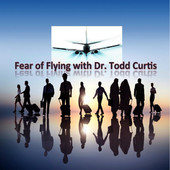
AirSafe.com creator Dr. Todd Curtis is scheduled to be on the Discovery Channel show 'World's Scariest PLane Landings,' which will have its first scheduled broadcast in the US on the evening of April 23, 2012 (check local listings).
Discovery channel promises that the audience will "Experience the most frightening moments in aviation, with incredible footage and first-hand accounts from those who survived - the terrified passengers inside the planes and skilled pilots inside the cockpits."
Perhaps the most frightening moments in the show will be those featuring the comments and analysis of Dr. Curtis. The only way to find out is to watch the show. We would like to get your feedback about it.
Follow the comments on Twitter at #worstflightever
20 April 2012; Bhoja Airlines; 737-200; AP-BKC; flight B4 213; Islamabad, Pakistan: The aircraft was on a scheduled domestic flight Karachi to Islamabad, Pakistan, and crashed in a residential area near the airport. The aircraft was completely destroyed in the crash, and all six crew members and 121 passengers were killed. Among those killed were several children and one newlywed couple. This was the airline's inaugural flight on this route.
2 April 2012; UTair ATR72-200; VP-BYZ;flight 120; Tyumen, Russia: The aircraft was on scheduled domestic flight from Tyumen to Surgut, Russia. The airplane crashed broke up, and caught fire in a field about 1.5 miles (2.5 km) form the end of the departure runway.
All four crew members and 27 of the 39 passengers were killed. This is the second fatal passenger jet crash involving this airline. The first was a 17 March 2007 crash of a UTair Tu134A in Samara, Russia that killed six passengers.
Have you flown on UTair? If you want to publish your experience through NewsiT, visit AirSafe.com's NewsiT partner page, download the NewsiT app, and share your experience using the 'Report It Now' function.
The TSA has been a frequent subject of this site, covering issues from the employee screening process to the passenger search policies. Below is an informational graphic created by a team from OnlineCriminalJusticeDegree.com led by AirSafeNews.com follower Tony Shin. The graphic is based on data from a variety of sources, including media reports and is somewhat critical on the TSA's policies and effectiveness, including claims that although know terrorists have flown on US airlines numerous times since TSA was created, none have ever been stopped from boarding by TSA.
We'd like to know what you think abou the graphic, or what you think about the direction the TSA has taken in recent months, so please feel free to leave comments.
Earlier this month, Jonathan Corbett of the site TSA Out of Our Pants! released a video that allegedly demonstrated that he was able to sneak large metallic objects passed TSA's most advanced screening devices without being detected. These devices have been deployed by the hundreds across the US over the last couple of years and were intended to detect metal objects, explosives, and other prohibited items. In some airports, these have been used as the primary screening device for passengers, bypassing the traditional metal detector.
What is noteworthy is that Corbett performed his tests against both types of advanced screening devices currently in use by the TSA. The video below provides details on how Corbett discovered key weaknesses in these scanning devices, and how he used a very low tech method to successfully get large metal objects through the scanners without being detected:
What may be far more alarming than the demonstrations in the video are Corbett's claims that TSA representatives have attempted to intimidate him, as well as several journalists, warning them not to cover this story. If these claims of intimidation are true, it would represent a very wrongheaded approach by TSA. AirSafe.com's position is that claims such as the ones made by Corbett are best dealt with by providing the information to anyone who is interested and letting them judge for themselves.
I watched the video and it is a crude attempt to allegedly show how to circumvent TSA screening procedures.
For obvious security reasons, we can’t discuss our technology's detection capability in detail, however TSA conducts extensive testing of all screening technologies in the laboratory and at airports prior to rolling them out to the entire field. Imaging technology has been extremely effective in the field and has found things artfully concealed on passengers as large as a gun or nonmetallic weapons, on down to a tiny pill or tiny baggies of drugs. It’s one of the best tools available to detect metallic and non-metallic items, such as… you know… things that go BOOM.
With all that said, it is one layer of our 20 layers of security (Behavior Detection, Explosives Detection Canines, Federal Air Marshals, , etc.) and is not a machine that has all the tools we need in one handy device. We’ve never claimed it’s the end all be all.
However, our nation's aviation system is much safer now with the deployment of 600 imaging technology units at 140 airports. It is completely safe and the vast majority use a generic image that completely addresses privacy concerns. Also, keep in mind that is optional. Anybody can opt out of the body scanner for a pat-down.
Dr. Curtis of AirSafe.com comments on TSA's response The most important thing about the response by Burns is that it did not refute the key point made in the Corbett video was true, specifically if it were possible to sneak a large metal object past both kinds of advanced scanners deployed by TSA. It isn't necessary to discuss the detailed detection capability of these scanners, but it would make TSA's response more useful if it came out and said that Corbett demonstration was either real or not.
Burns did state several obvious points about security that I agree with, point which I discussed in some detail in a 2010 article describing how the TSA is unable to eliminate the threat from bombs. The most important point is that there are several layers of security, and that no one layer of security is sufficient.
One area where the Burns article may have misled his readers is in his emphasizing how much more safe the current system is with the advanced devices. There are few problems with this claim. First, he did not define what he means by safe. If he meant some measurable quality such as a reduced likelihood of sneaking a bomb or gun through security, then it would be helpful to tell the audience what that measurement is. Also, he mentions that the machines are at 140 US airports, but does not mention that there are hundreds more US airports that offer some kind of commercial airline service. A review of the the FAA's online air traffic database revealed that in 2011 over 440 airports offered some kind of airline service and 250 of these airports averaged one or more airline flights per day.
Perhaps a more accurate claim from Burns would have been that these advanced screening devices adds a layer of security for some passengers at some airports. Perhaps a more useful response would have been one that emphasized the the risks that the screening technology reduces, in this case the measurable reduction in the likelihood that someone could sneak a dangerous or banned item onto an aircraft, rather than on saying that the system is safer, where he does not define what safety means, and does not give any solid data to support this belief.
What I said in my 2010 article about why the TSA could not eliminate threats of bombs is just as true today, and if anything Corbett's video supports my position:
The threat from those who want to disrupt the air transportation system is one that constantly evolves. For every system or procedure that is put into place, those who intend to bring harm to the system will take steps to either avoid those measures or find a way to defeat them. While extra measures will not make air travel perfectly safe, they will likely make travel less risky.
Several recent media reports highlighted a number of alleged and admitted thefts by TSA employees, and these stories serve as a reminder to passengers that while most TSA employees are honest and fully dedicated to protecting the public, a rare few will steal from passengers.
TSA employee sells stolen items on craigslist A January 20, 2012 Miami Herald story described the arrest of a TSA employee who allegedly stole items from checked luggage, smuggled them out using a hidden pocket added to his TSA uniform jacket, and sold several items, including at least one iPad, on craigslist. This scheme reportedly had been going on for about three years. This TSA employee's wife was also charged.
How to prevent this from happening Do not pack expensive and easy to sell valuable items such as laptops, money, or jewelry in your checked bag. On US flights, checked baggage must either be left unlocked, or use approved locks that can be opened by the TSA, so that the TSA can inspect checked luggage. This same advice would apply to a couple who had $500 stolen from their checked bag in December 2011 at the Punta Gorda, FL airport, though it is not clear if a TSA employee was involved in that theft.
How to prevent this from happening If you travel with a laptop, make sure that you retrieve it after you pass through the TSA screening area. There are several things that you can do, including having some kind of reminder that you packed a laptop. For example, you can open up your backpack or laptop bag so that it is clear that something should be put back into it.
Laptops are not the only things stolen Last July, the the South Florida Sun-Sentinel reported that a former TSA employee at the Ft. Lauderdale airport admitted to taking a passenger's $450 pen. According to a statement by the former employee, the theft didn't happen at the screening area, but after the pen was set aside by the TSA, presumably as an item that was headed to the TSA's lost and found department.
What can you do to prevent theft? While passengers can't do anything to prevent a rogue TSA employee from stealing from you, there is quite a bit that you can do to prevent thefts from happening in the first place. For more details, download out the AirSafe.com Baggage and Security Guide, which includes a number of articles on how you can pack your carry on or checked bag so that you reduce or eliminate the chance that you will be a victim of theft the next time you fly (available as a PDF file, or as an ebook for our iPad or Kindle). You can find similar advice at the baggage resources page at AirSafe.com
For over six years, the AirSafe.com podcast The Conversation at AirSafe.com has brought you a number of interviews, special reports, accident analyses, and other topics of interest to the AirSafe.com Community. While some were available as either as downloadable video files or on the AirSafe.com channel on YouTube, many of them were only available as audio files.
Classic shows now on video The audio files have been available from the podcast home page, or with a podcast subscription on iTunes, and starting today some of the classic audio shows will be available on video. The first is a March 2008 show featuring airline pilot and author Patrick Smith. In this show, Patrick, who also writes the Salon.com column Ask the Pilot, discussed popular misconceptions about airline safety, suggested changes in the role of the TSA, explained why it is difficult to compare airline safety records, and discusses how much (or how little) pilots get paid.
Suggest new shows If you want to suggest what shows should be turned into videos, please review the past episodes and leave a comment about what show to feature next.